Profile
In the heart of Limpopo’s Waterberg region, where mining towns, farming communities and growing service hubs sit side by side, Waterberg TVET College has become a steady anchor for skills development. It’s the kind of institution that shapes futures, offering practical training that speaks directly to the needs of the local economy. As a recognised TVET college in Limpopo, it plays an important role for students who want accessible education without having to leave the province.
Waterberg TVET College has grown through the development of several campuses spread across towns such as Modimolle, Lephalale, Bela-Bela and Mahwelereng. Each campus reflects its surroundings, from the energy of mining-driven Lephalale to the more community-focused learning environments in Modimolle.
Getting to campus is usually manageable, with taxis and local transport connecting surrounding villages and towns to the main learning centres, which helps students from rural areas access further education more easily.
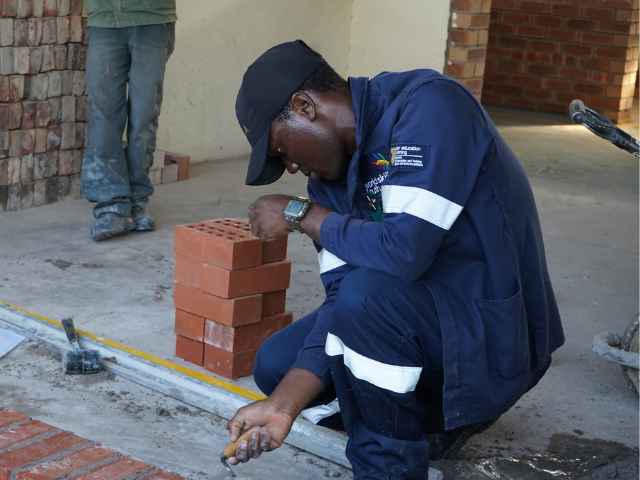
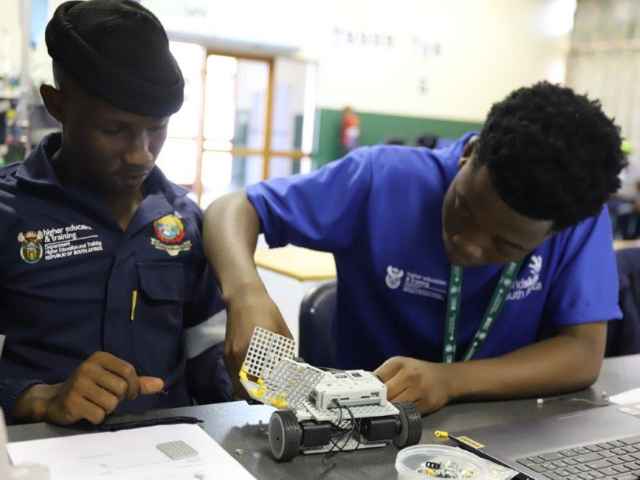
The college offers a wide range of TVET courses in Limpopo, designed to match both regional industry demands and national skills shortages.
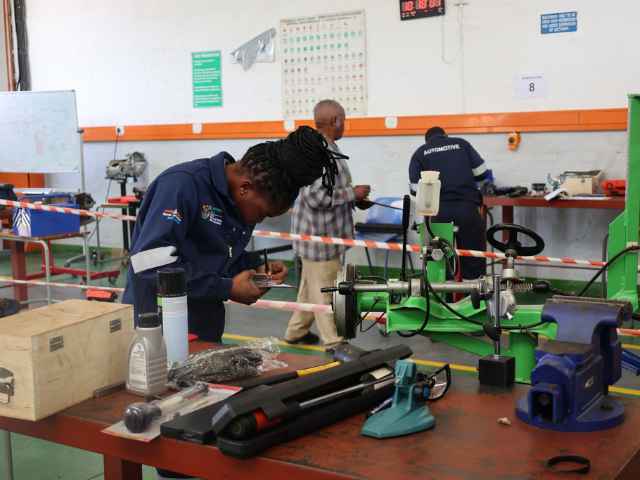
Engineering Studies are especially strong here, with programmes like Electrical Engineering at Waterberg TVET College drawing students who want hands-on technical training linked to real work environments, particularly in the mining and energy sectors around Lephalale. Business Studies and Hospitality programmes also remain popular, giving students pathways into office work, tourism and small business development.
What gives Waterberg TVET College its identity is its strong connection to local industry. The Waterberg region is home to major mining and energy projects, and this has influenced the college’s focus on producing work-ready graduates. Partnerships with employers and exposure to workplace environments help students understand what is expected once they complete their studies, especially in technical fields.
Student support is part of the everyday structure of the college. Many learners depend on NSFAS funding, and staff are available to guide them through applications and academic challenges. There’s also a growing emphasis on supporting rural students who are often adjusting to formal college environments for the first time.
Map
Sorry, no records were found. Please adjust your search criteria and try again.
Sorry, unable to load the Maps API.
Government Registration Status
Qualification Level
- Certificate
- Diploma
Study Mode
- Full-Time
- Part-Time